Crypto Ledger Device Connection: Complete Pairing Guide
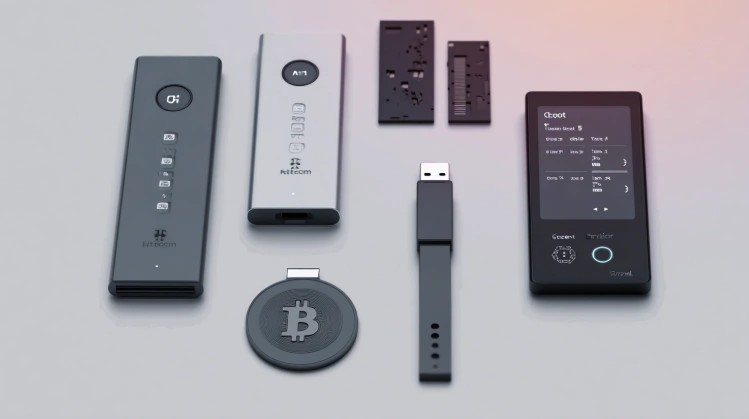
Crypto Ledger Device Connection establishes the communication pathway between the hardware wallet and Ledger Live companion software, enabling portfolio management, transaction creation, and firmware updates. The connection process varies based on device model and platform, with USB-C available on all devices and Bluetooth supported on Nano X, Stax, and Flex models. Proper connection ensures smooth operation while maintaining the security isolation that protects private keys.
Crypto Ledger Connect to App functionality bridges the secure hardware environment with user-friendly software interfaces without compromising the security model. The companion software handles network communication, blockchain synchronization, and transaction construction while the hardware wallet retains exclusive control over private keys and signing operations. Unlike Trezor's bridge-based approach or KeepKey's Chrome dependency, Ledger Live operates as a native application with direct device communication. This page covers connection methods, verification, and troubleshooting for all current Ledger devices.
Connecting Crypto Ledger to the Application
Crypto Ledger connect device procedures depend on the chosen connection method and operating system. USB-C connections work universally across desktop platforms and compatible mobile devices. Bluetooth connections provide wireless convenience for mobile users with supported devices. Both methods maintain identical security properties, as private keys never leave the secure element regardless of connection type.
Initial connection typically occurs during setup when Ledger Live guides users through device pairing. Subsequent connections follow simpler procedures once the device is recognized. The companion software remembers paired devices, streamlining future connection processes.
Verifying the Device Connection
Crypto Ledger device verification confirms successful pairing:
| Verification Check | Expected Result | Indicates |
|---|---|---|
| Device appears in Ledger Live | Listed as connected device | Basic connection established |
| Genuine check passes | Green checkmark confirmation | Authentic Ledger device |
| Firmware version displays | Current version shown | Communication functional |
| Dashboard accessible | Apps and accounts visible | Full functionality ready |
| Transaction test succeeds | Signing request appears on device | Complete operational status |
The genuine check verifies device authenticity against Ledger's secure attestation system. This confirms the secure element is genuine and has not been replaced or tampered with, providing assurance beyond physical inspection.
Common Connection Issues and Fixes
Crypto Ledger connection issues and their solutions:
| Issue | Solution |
|---|---|
| Device not detected | Try different USB-C port or cable |
| Permission denied (Linux) | Install udev rules from Ledger support |
| Bluetooth not finding device | Ensure device is unlocked and in pairing mode |
| Connection drops frequently | Update Bluetooth drivers or use USB-C |
| Genuine check fails | Contact Ledger support for investigation |
| Wrong apps shown | Update Ledger Live to latest version |
| Slow synchronization | Check internet connection stability |
Most connection issues resolve through basic troubleshooting. Persistent problems may indicate cable damage, port issues, or software conflicts requiring additional investigation.
USB-C Connection Setup
Crypto Ledger device connection via USB-C provides the most reliable communication method across all platforms. The physical connection eliminates wireless interference concerns and works on all current Ledger devices regardless of model. USB-C connections also provide power to the device, ensuring operation regardless of battery status on Bluetooth-capable models.
USB-C connectivity requires compatible ports on the host computer or appropriate adapters for older USB-A ports. The included cable supports data transfer at speeds sufficient for all wallet operations including firmware updates.
Desktop Connection Requirements
Crypto Ledger connect to app desktop requirements. Platform-specific setup:
- Windows 10+: Install Ledger Live, drivers included automatically.
- macOS 12+: Install Ledger Live, approve security permissions when prompted.
- Ubuntu 20.04+: Install Ledger Live and udev rules for device access.
- Connect device using included USB-C cable.
- Unlock device by entering PIN when prompted.
- Open Ledger Live and select "My Ledger" or "Manager."
- Approve connection on device screen when requested.
- Verify genuine check completes successfully.
Linux users must install udev rules to grant application access to USB devices. Ledger provides installation scripts through their support documentation that configure permissions correctly.
Bluetooth Pairing Process
Crypto Ledger device connection via Bluetooth enables wireless operation with compatible mobile devices, providing convenience without sacrificing security. Bluetooth pairing creates an encrypted channel between the hardware wallet and smartphone, with all sensitive operations still requiring physical confirmation on the hardware device.
Bluetooth connectivity is available on Nano X, Stax, and Flex models. The Nano S Plus lacks wireless capability and requires USB-C for all connections. Bluetooth range is approximately 10 meters in open environments, with performance varying based on interference and obstacles.
Mobile Device Compatibility
Crypto Ledger connection issues prevention through compatibility verification:
| Platform | Minimum Version | Bluetooth Requirements |
|---|---|---|
| iOS | 14.0+ | Bluetooth 4.0+ |
| Android | 10.0+ | Bluetooth 4.0+ |
| iPadOS | 14.0+ | Bluetooth 4.0+ |
Bluetooth pairing process for mobile:
- Enable Bluetooth on mobile device
- Open Ledger Live mobile application
- Power on and unlock hardware wallet
- Navigate to device settings on hardware wallet
- Enable Bluetooth if not already active
- Select "Add new device" in Ledger Live
- Choose device from discovered list
- Confirm pairing code matches on both screens
- Complete pairing confirmation on hardware wallet
Paired devices remain connected for future sessions without repeating the full pairing process. Users can manage paired devices through hardware wallet settings to remove old pairings or troubleshoot connection issues.
For initial setup, see our Crypto Ledger Setup guide. For recovery phrase, visit Crypto Ledger Recovery Phrase. For first launch checklist, see Crypto Ledger First Launch.